
Pool & Spa Inspections
A swimming pool or spa can add comfort, recreation, and value to an Arizona home—but it also introduces specialized equipment, safety features, and maintenance responsibilities that are not always covered in detail during a standard home inspection. A professional pool and spa inspection helps you better understand the visible condition of these components before purchasing a property or planning future repairs.
Southern Arizona’s intense sunlight, extreme heat, dust, mineral-rich water, and seasonal monsoon storms can accelerate wear on pool surfaces, seals, plumbing, electrical components, and mechanical equipment. Identifying concerns early can help prevent unexpected expenses and make it easier to maintain a safe, efficient, and enjoyable outdoor space.
What Does a Pool and Spa Inspection Include?
When visible, accessible, and operating under normal conditions, the inspection may evaluate:
- Pool and spa surfaces, finishes, and visible structural conditions
- Coping, decking, and surrounding walking surfaces
- Pumps, motors, filters, and accessible equipment
- Visible plumbing lines, valves, and fittings
- Skimmers, drains, return fittings, and water circulation
- Heaters and related equipment
- Electrical components, bonding, and accessible connections
- Lighting and installed controls
- Water level and visible signs of leakage
- Safety barriers, gates, latches, and fencing
- Steps, ladders, handrails, and other entry features
- Spa jets, blowers, and operating controls
- Visible maintenance concerns or damaged components
The inspection is a visual evaluation and does not include destructive testing, laboratory water analysis, or confirmation of concealed plumbing conditions.
Identify Safety and Equipment Concerns
Pools and spas contain a combination of water, electricity, mechanical equipment, and walking surfaces. Damaged components, improper installations, missing safety features, or poorly maintained equipment can create hazards and lead to expensive repairs.
An independent inspection can help identify visible concerns such as:
- Leaking or deteriorated equipment
- Damaged pool surfaces or coping
- Cracked or uneven decking
- Malfunctioning pumps, filters, or heaters
- Loose or damaged electrical components
- Inadequate barriers or gate hardware
- Poor circulation or visible maintenance problems
- Worn seals, fittings, or plumbing connections
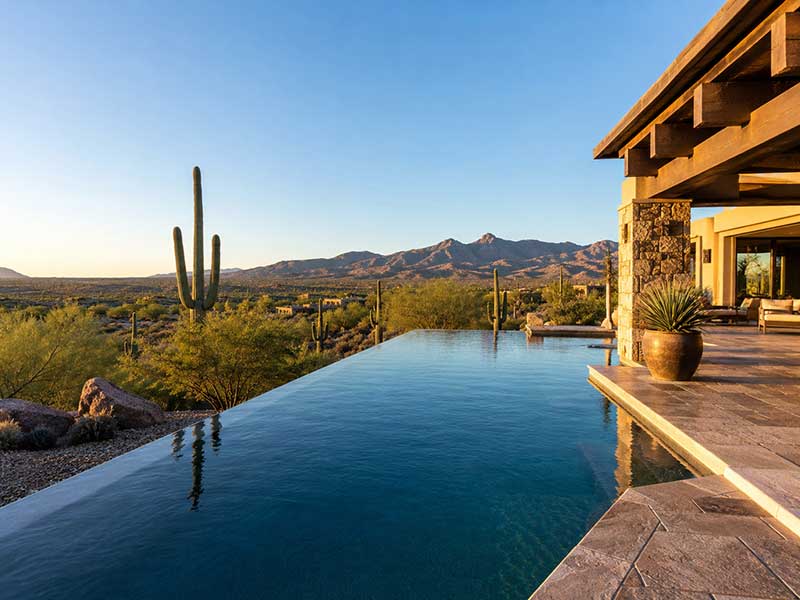
Protect Your Arizona Pool Investment
The harsh Arizona environment can be demanding on outdoor equipment. Prolonged ultraviolet exposure can deteriorate plastic components and sealants, while heat and mineral buildup may affect pumps, plumbing, finishes, and water circulation equipment. Monsoon debris and dust can also place additional strain on filtration systems.
A pool and spa inspection provides valuable insight into the visible condition of the system, helping buyers anticipate potential repair needs and helping current homeowners prioritize maintenance before minor concerns become larger problems.
Clear Findings You Can Use
After the inspection, you will receive a clear digital report documenting observed conditions and visible concerns, supported by photographs when appropriate. This information can help you discuss repairs with the seller, plan for future maintenance, or make a more informed decision about the property.
Whether you are purchasing a home with an existing pool, evaluating a spa, or checking the condition of your current equipment, a professional pool and spa inspection can provide greater confidence before you dive in.