Foreclosure Home Inspections
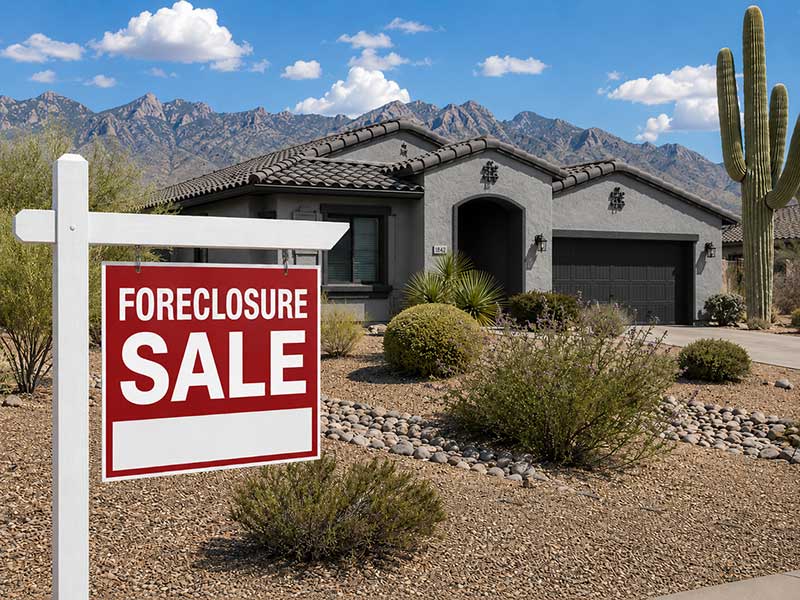
Purchasing a bank-owned or foreclosed property can present an opportunity, but it can also involve more uncertainty than a conventional home purchase. The previous maintenance history may be incomplete, utilities may have been disconnected, and the property may have experienced prolonged vacancy, deferred maintenance, damage, or unapproved repairs.
A professional foreclosure home inspection provides an independent evaluation of the property’s visible and accessible systems, materials, and structural components. The goal is to help you understand the home’s current condition, identify potential repair needs, and make a more informed decision before committing to the purchase.
Why Foreclosure Properties Require a Closer Look
Foreclosed homes are often sold as-is, which generally means the seller may be unwilling to complete repairs before closing. Without clear information about how the property was maintained, buyers may face hidden expenses soon after taking ownership.
A thorough inspection can help identify visible concerns such as:
- Deferred maintenance and deterioration
- Roof damage or active leakage
- Plumbing leaks, damaged fixtures, or missing components
- Electrical defects or unsafe alterations
- Heating and cooling system concerns
- Water intrusion, staining, or moisture-related damage
- Broken windows, doors, locks, or security features
- Damaged walls, ceilings, floors, or finishes
- Missing appliances, fixtures, or mechanical equipment
- Evidence of vandalism, neglect, or incomplete repairs
- Foundation movement or visible structural concerns
- Drainage, grading, and exterior maintenance problems
What Does a Foreclosure Inspection Include?
When visible, accessible, and operational, the inspection may evaluate:
- Foundation and structural components
- Roof coverings, flashing, and drainage systems
- Exterior walls, windows, doors, and attached structures
- Electrical panels, outlets, wiring, and fixtures
- Plumbing supply, drainage, and water-heating equipment
- Heating, cooling, and ventilation systems
- Attic areas, insulation, and ventilation
- Interior walls, ceilings, floors, windows, and doors
- Kitchen, bathrooms, laundry areas, and built-in appliances
- Garage, driveway, patios, porches, and walkways
- Lot grading, drainage, and visible site conditions
The inspection is limited by the property’s condition and accessibility. Systems that are disconnected, winterized, shut down, damaged, or unsafe to operate may not be fully evaluated.
Plan for Repairs Before You Buy
A foreclosure may appear attractively priced, but the true cost of ownership includes the repairs and maintenance needed after closing. An inspection report can help you distinguish routine upkeep from more significant concerns and provide a clearer basis for estimating future expenses.
Depending on the findings, you may choose to:
- Request estimates from qualified contractors
- Reconsider the purchase price
- Adjust your renovation budget
- Prioritize immediate safety or moisture concerns
- Conduct specialized evaluations before closing
- Decide whether the property’s risks fit your goals
Clear Documentation for a More Informed Decision
After the inspection, you will receive a detailed digital report documenting observed conditions and visible concerns, supported by photographs when appropriate. This information can help you evaluate the property more realistically and avoid relying solely on its appearance or listing price.
Whether you are purchasing a foreclosure as a primary residence, rental property, or renovation investment, a professional inspection can help you understand what you are taking on before the property becomes your responsibility.